A Complete Guide to Office Fit Outs in Brisbane: Creating Modern, Productive Workspaces
Office fit outs in Brisbane have become an essential part of business planning, whether for companies upgrading an existing space or moving into a brand-new premises. As workplaces continue to evolve, businesses are recognising the importance of designing environments that support productivity, wellbeing, teamwork, and long-term growth. A well-executed fit out does far more than beautify an office — it improves workflow, enhances company culture, and helps attract and retain talented employees.
This comprehensive guide explores everything you need to know about office fit outs in Brisbane, including planning stages, design considerations, budgeting, regulations, fit out styles, sustainability trends, and tips for achieving a workplace that truly performs.
What Is an Office Fit Out?
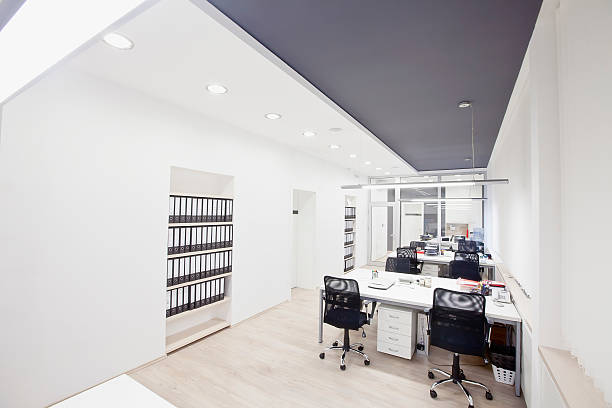
An office fit out refers to the process of transforming an empty or outdated workspace into a fully functional and aesthetically appealing environment. It includes a broad range of activities such as space planning, interior design, furniture installation, partitioning, lighting upgrades, and technology integration. For businesses seeking office fit outs Brisbane, this process plays a key role in creating modern, productive, and comfortable work environments aligned with their operational needs.
- Space planning
- Interior design
- Construction and installation
- Lighting and electrical upgrades
- Flooring and wall treatments
- Workstation layouts
- Meeting room integration
- Breakout spaces and collaborative zones
- Furniture selection
- Technology and cabling installation
The goal is to create a workspace that aligns with an organisation’s needs, culture, and goals while meeting safety, comfort, and efficiency standards.
Why Office Fit Outs in Brisbane Are in High Demand
1. Growing business hubs
Brisbane’s rapid economic growth — fueled by industries like construction, technology, healthcare, education, and logistics — has resulted in a rising demand for well-designed offices.
2. Hybrid and flexible working
More businesses are incorporating blended office-home models, requiring agile and versatile office layouts.
3. Employee wellbeing
Workplace wellness is now a major focus. Companies are investing in ergonomic designs, natural light, greenery, quiet zones, and healthy work settings.
4. Competitive advantage
A modern office environment helps attract top talent and leave strong impressions on clients and stakeholders.
5. Efficiency and productivity
Better layouts and functional design reduce distractions, streamline workflow, and improve daily operations.
Types of Office Fit Outs
When planning your project, it helps to understand the main categories of office fit outs commonly used in Brisbane:
1. Shell and Core Fit Out
This refers to an unfinished commercial space with basic structural elements only. Businesses can fully customise the layout and finishes from scratch.
2. Category A (Cat A) Fit Out
Cat A includes basic finishes like raised floors, suspended ceilings, lighting, and HVAC systems. It creates a functional but minimal workplace ready for further customisation.
3. Category B (Cat B) Fit Out
Cat B is a complete office transformation including:
- Furniture
- Partition walls
- Flooring
- Kitchens and breakrooms
- Internal branding elements
- Meeting rooms
- Workstations
Most businesses undertaking office fit outs in Brisbane are completing a Cat B fit out.
See also: The Beginner’s Guide to Freelancing: Earn Online Without Investment
Planning an Office Fit Out in Brisbane
A successful fit out requires clear planning, realistic budgeting, and collaboration between designers, builders, and stakeholders. Below are the essential steps.
1. Define Your Objectives
Start by identifying why you need a fit out:
- Expanding your team?
- Improving productivity?
- Modernising an outdated office?
- Moving into a new commercial space?
- Supporting hybrid working?
Understanding your goals ensures the final design aligns with your long-term vision.
2. Conduct a Workplace Needs Assessment
Analyse how your office currently works and identify areas for improvement:
- Are there enough meeting rooms?
- Do employees need more quiet areas?
- Is your current layout too cramped?
- Are your storage solutions outdated?
- Does your team need more collaborative zones?
This stage helps uncover inefficiencies and guides better design choices.
3. Budgeting for Your Office Fit Out
Fit out costs in Brisbane vary depending on space size, materials, design requirements, and technical complexity. Budget categories include:
- Design and planning
- Construction and labour
- Furniture and joinery
- Technology and cabling
- Plumbing and electrical
- Council and building approvals
- Contingency funds
Creating a realistic budget early prevents unexpected costs later.
4. Space Planning and Layout Design
Efficient layout planning is crucial for workflow improvement. Key factors include:
- Location of workstations
- Natural light distribution
- Noise control strategies
- Size and number of meeting rooms
- Breakout and lounge areas
- Kitchen and dining facilities
- Storage and filing systems
- Reception and client-facing zones
A well-planned office maximises space and boosts employee satisfaction.
5. Brisbane Building Regulations and Compliance
Office fit outs must comply with:
- Australian Building Standards
- Workplace Health and Safety (WHS) requirements
- Fire safety and evacuation standards
- Electrical and plumbing regulations
- Council permits (if required)
Partnering with professionals familiar with Brisbane regulations ensures a smooth and compliant project.
6. Choose Your Fit Out Style
Businesses often choose from several popular office design trends in Brisbane:
1. Open-Plan Layouts
Encourages collaboration but requires acoustic management.
2. Activity-Based Working (ABW)
Staff choose work settings based on tasks — such as quiet pods, team tables, or breakout lounges.
3. Industrial Style
Exposed ceilings, polished concrete, metal accents, and natural textures.
4. Biophilic Design
Incorporates greenery, sunlight, timber elements, and natural materials to improve wellbeing.
5. Modern Minimalism
Simple lines, neutral tones, and clutter-free environments.
6. Hybrid Office Layouts
Combines remote work tools with in-office collaboration zones.
Key Elements of a High-Quality Office Fit Out
1. Ergonomic Workstations
Ergonomic chairs, sit-stand desks, and optimised screen setups reduce discomfort and boost productivity.
2. Lighting Design
Natural lighting improves mood and efficiency. LED fixtures and layered lighting contribute to a pleasant environment.
3. Flooring and Wall Treatments
Carpet tiles, vinyl, polished concrete, timber, and acoustic panels provide both aesthetics and functionality.
4. Meeting and Collaboration Spaces
Different meeting styles require varied setups – from casual lounges to fully equipped boardrooms.
5. Breakout and Wellness Areas
Spaces for relaxation, coffee breaks, and informal chats encourage creativity and mental wellbeing.
6. Smart Office Technology
Integrate technology such as:
- High-speed internet
- Wireless charging
- Smart booking systems
- Digital screens
- Video conferencing tools
- Access control systems
A tech-ready office supports modern work demands.
7. Storage Solutions
Efficient storage reduces clutter and improves organisation:
- Built-in joinery
- Mobile storage units
- Lockers
- Filing cabinets
Sustainable Office Fit Outs: A Growing Trend in Brisbane
Sustainability is becoming a higher priority for Brisbane companies. Eco-friendly improvements include:
- Low VOC paints
- LED energy-efficient lighting
- Recyclable materials
- Solar integration (where possible)
- Water-saving fixtures
- Green walls and indoor plants
- Natural ventilation designs
Environmentally-conscious fit outs create healthier spaces and can reduce long-term operational costs.
The Fit Out Process: What to Expect
Here is a typical project timeline:
1. Consultation & Site Evaluation
Professionals assess your current or new office space.
2. Space Planning & Concept Design
Initial layouts, mood boards, and design concepts are created.
3. Budgeting & Approvals
Costs are finalised and building permits arranged.
4. Construction & Installation
Tradespeople complete electrical, plumbing, joinery, construction, and finishing work.
5. Furniture Setup
Workstations, storage, and meeting room furniture are installed.
6. Final Inspection
The completed project is checked to ensure safety, functionality, and quality.
7. Handover
Your business moves into the newly upgraded space.
Tips for a Successful Office Fit Out in Brisbane
- Plan early to avoid delays.
- Set clear objectives to guide design decisions.
- Prioritise employee comfort — ergonomics matter.
- Choose durable materials suitable for long-term use.
- Consider future growth, not just current needs.
- Use professional designers and builders for compliance and quality.
- Keep communication open throughout the project.
- Allocate a contingency budget for unexpected adjustments.
Conclusion
Office fit outs in Brisbane are more than just aesthetic improvements — they are strategic investments that influence productivity, employee satisfaction, workplace culture, and long-term business success. With careful planning, smart design, modern technology, and attention to detail, companies can create dynamic environments that support their goals and help them stay competitive in a rapidly evolving business landscape.
Whether you are upgrading a small office or transforming an entire commercial floor, a well-executed fit out can redefine how your team works, collaborates, and grows.